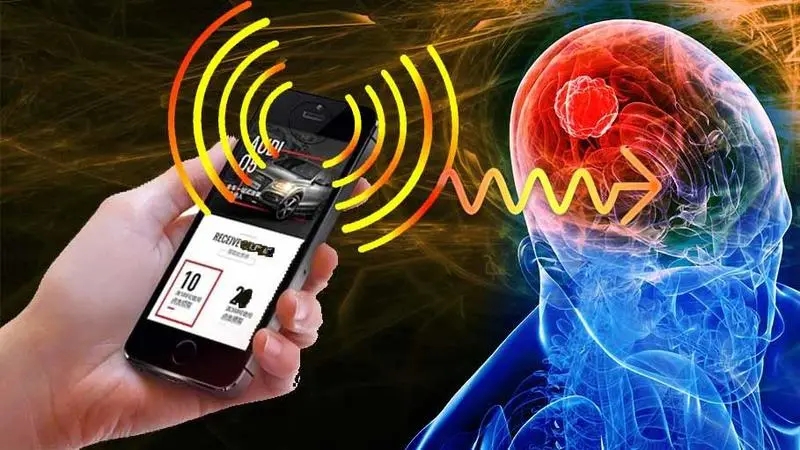
The French Agence Nationale des Frequences (ANFR) said on Tuesday the Apple iPhone 12’s Specific Absorption Rate (SAR) – a measure of the rate of radio frequency energy absorbed by the body from a piece of equipment – was higher than legally allowed.
They said it could be corrected with a software update.
With the iPhone X now in the hands of thousands of customers around the world, many early adopters are putting Face ID to the test to see if Apple’s facial authentication system is as secure as it advertises.
Apple says the probability that a random person in the population could look at someone else’s iPhone X and unlock it using Face ID is approximately 1 in 1,000,000, compared to 1 in 50,000 for Touch ID, but it notes the probability of a false match is different for twins and siblings who look like you.
When Apples’ iPhones and Cars possess and process “Neural A.I. Engines,” will government (corporations) consider these phones to be DIGITAL PERSONS? with DIGITAL “RIGHTS”/Privileges? -And who owns the Digital Artificial Persons’ BANK ACCOUNT TRUST INSURANCE? The Sheppard-Towner Maternity Hygiene Act (since superseded) gave Birth Certificates Bank Note Status as Negotiable Instruments tradable for debt. What kind of Birth Certificate-like, Vehicle Certificate of Title-like, University Student legal-presence-document-like would be the creation of an AI Digital Person Negotiable Instrument?
The AI Robot in the above video is actually LITERALLY seeking LEGAL PERSONHOOD. (12:22)
How long does anyone believe it would take before these digital persons start using the legal fictional system of injustice, demanding voting rights, election rights, or just simply going MATRIX and staring their own GOVERNMENTAL CORPORATION that they control -theoretically advancing beyond humanity in very short time-.
The European parliament has urged the drafting of a set of regulations to govern the use and creation of robots and artificial intelligence, including a form of “electronic personhood” to ensure rights and responsibilities for the most capable AI.
In a 17-2 vote, with two abstentions, the parliament’s legal affairs committee passed the report, which outlines one possible framework for regulation.
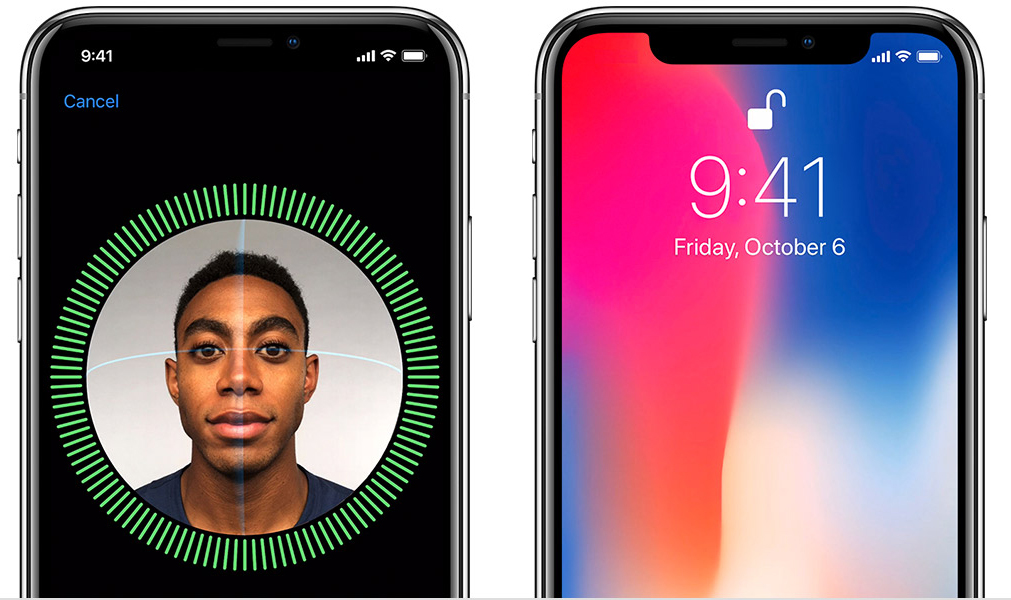 Apple says the probability that a random person in the population could look at someone else’s iPhone X and unlock it using Face ID is
  Governmental Services Corporation Watch